
At Solideon, I was handed a problem that required equal parts reverse engineering and redesign. A previous engineer had set up an environmental quality monitoring system using a Sensirion Sen55 sensor paired to an ESP32, reporting real-time air quality readings over MQTT to a dashboard. The task was to make the entire system work on a different ESP32 board, design physical enclosures for installation, and replicate the setup across multiple electronics cabinets in our facility.
The firmware side was not a simple port. The new ESP32 featured an entirely different network interface controller, which meant the existing Ethernet stack needed to be replaced with compatible driver libraries from the ground up. I reworked the networking layer in Arduino IDE, updated the MQTT broker address to match our current infrastructure, and added OTA firmware update capability while I was at it so future maintenance would not require physical access to the boards.
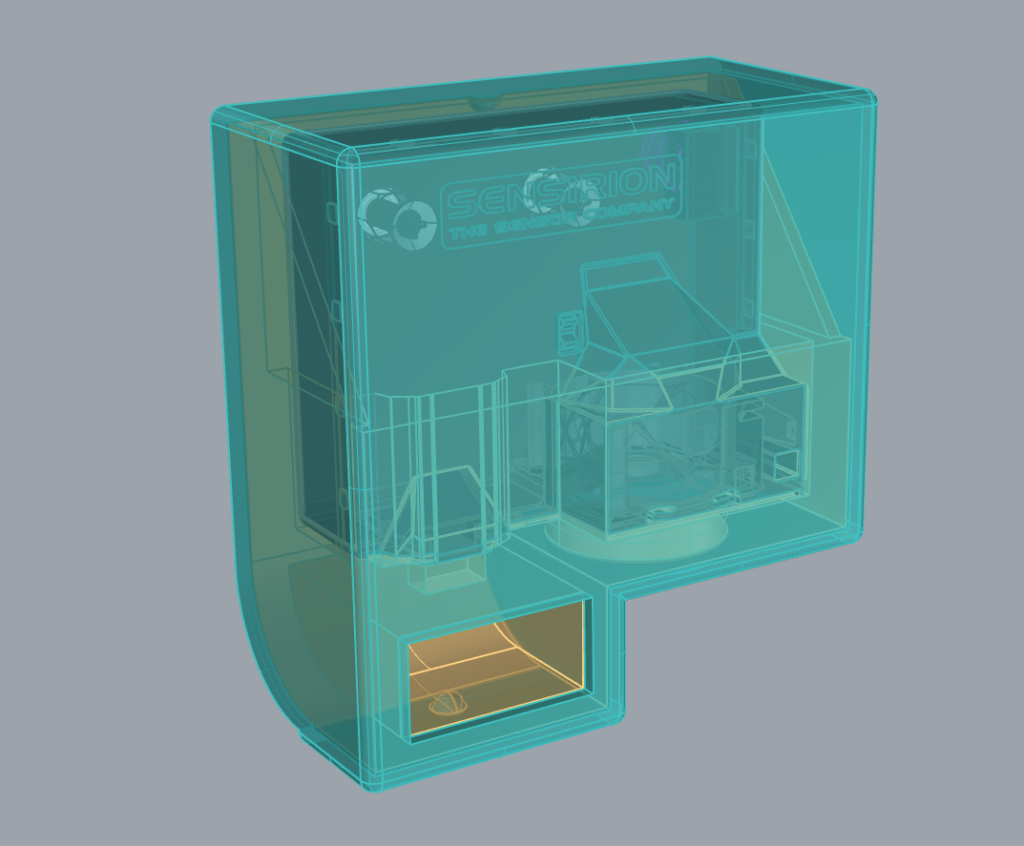
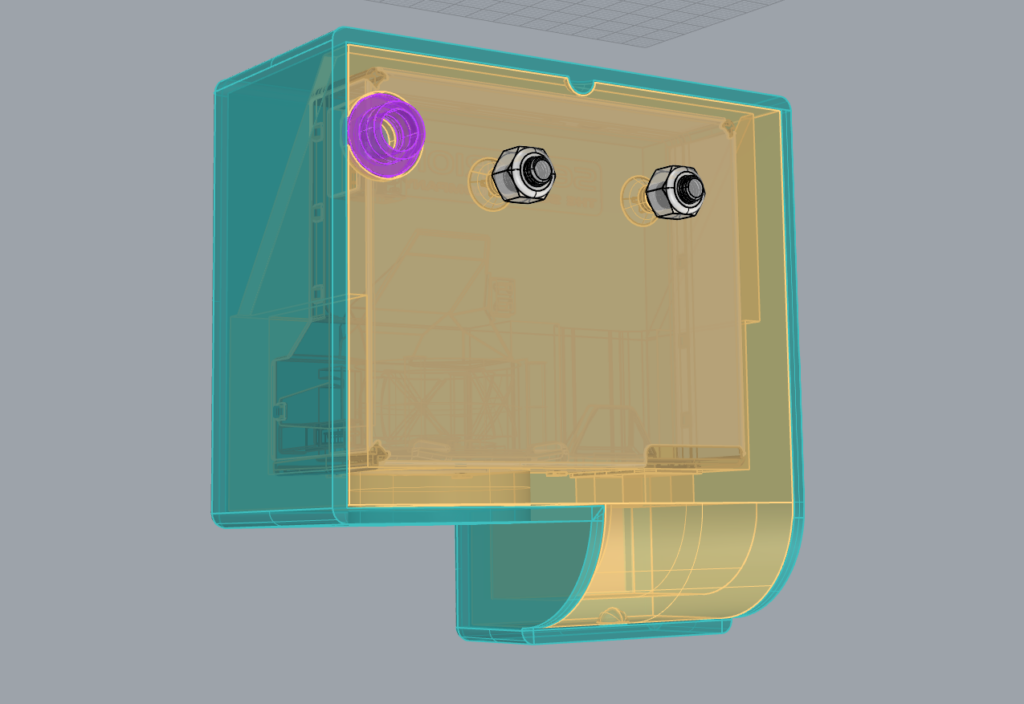
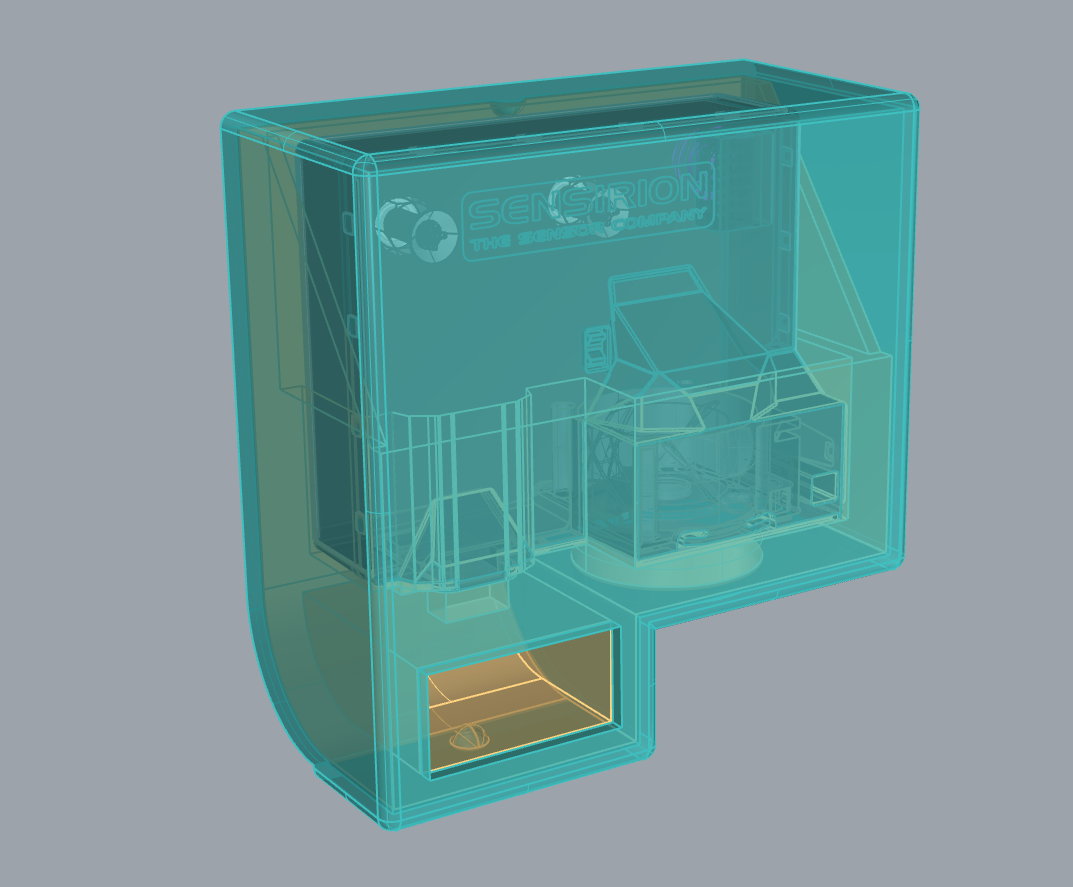
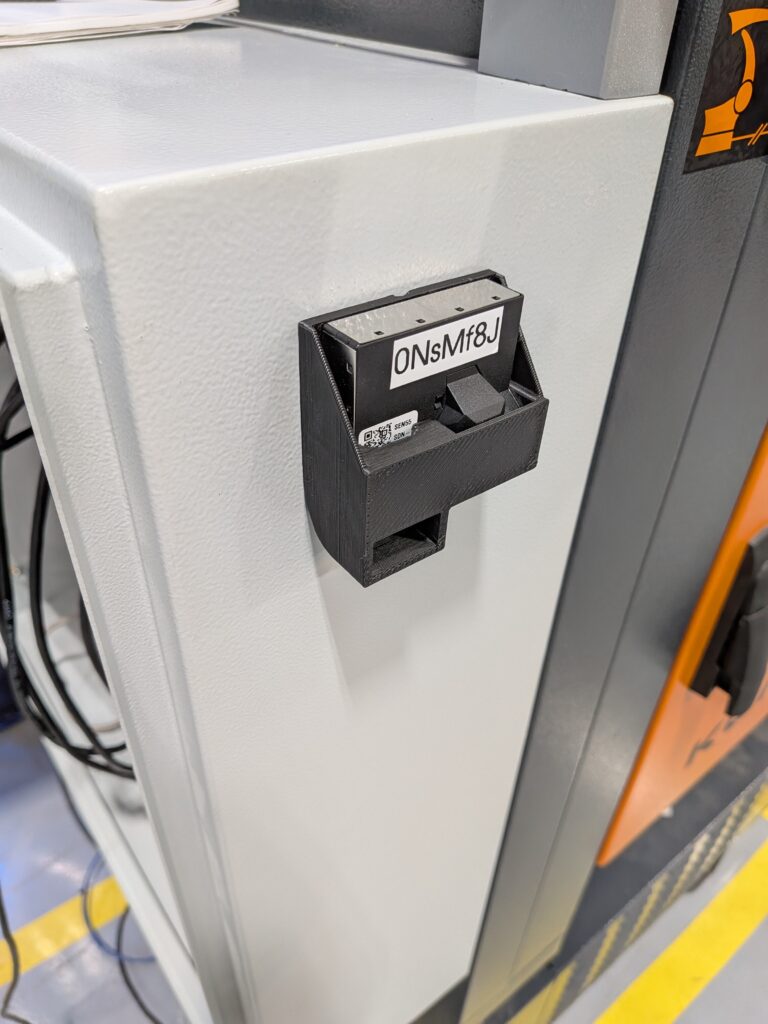
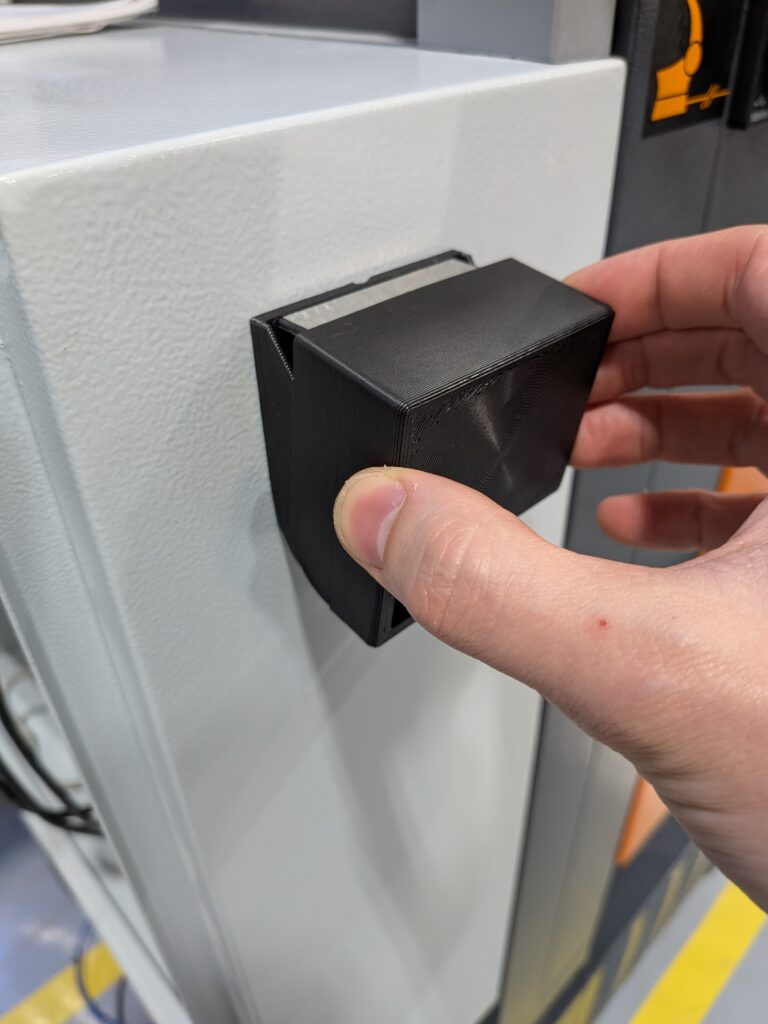
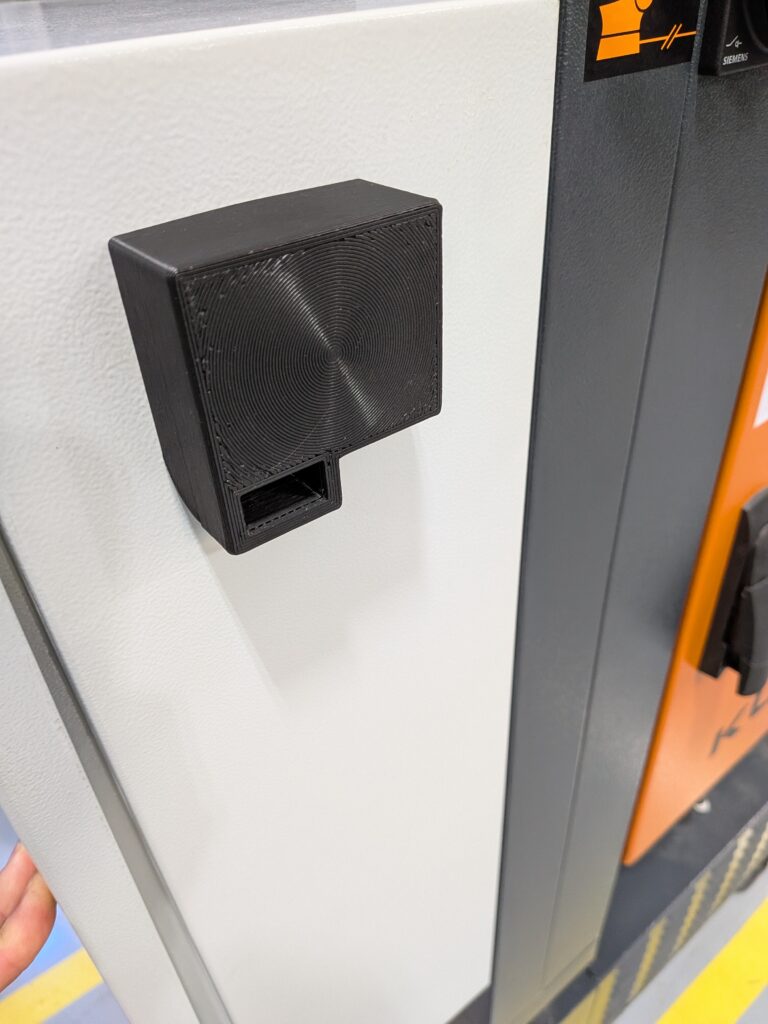
On the mechanical design side, the challenge was mounting the Sen55 sensor exterior to the electronics cabinets while keeping the ESP32 board fully enclosed for environmental protection. I designed a two-piece housing in Rhino using manufacturer provided CAD for the Sen55 as a source of truth. The base bolts directly to the outside of the cabinet first, then the sensor slides into place with its wires routing through a pass-through hole back inside the box. Finally, a streamlined snap-on cover slides over the sensor. The design keeps the intake and exhaust ports fully exposed to ambient air while protecting everything else from dust and accidental contact.
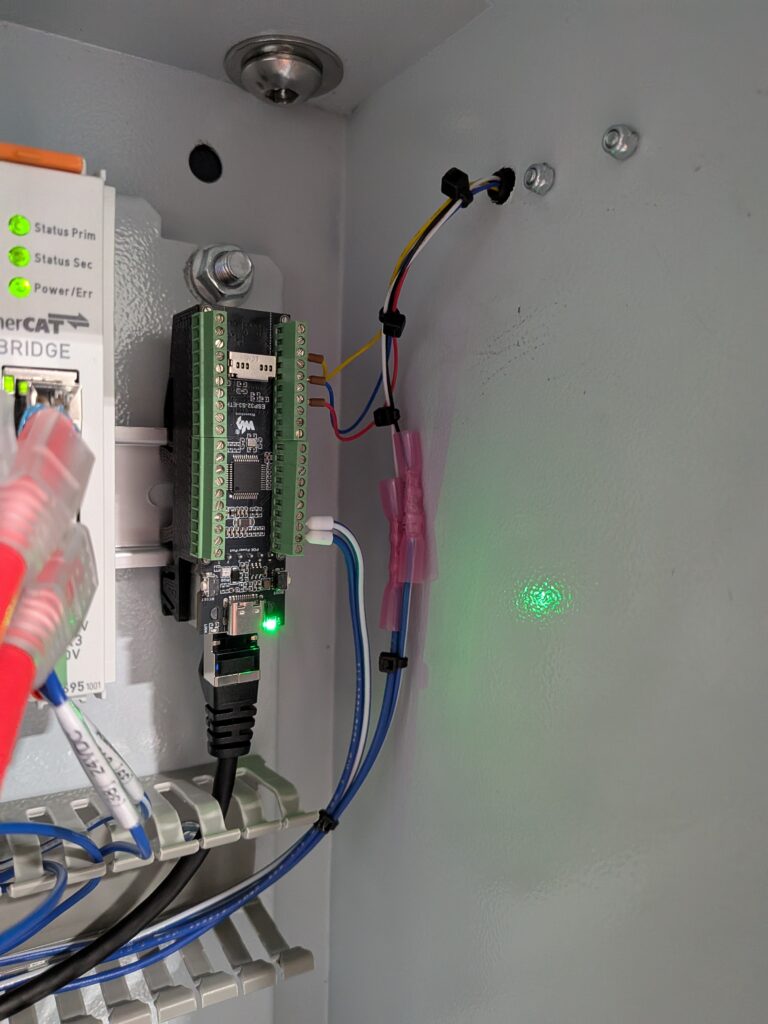
I also designed a DIN rail bracket for the ESP32 itself, based on a DIN rail bracket design I found online and used previously (reference coming…). Space inside the electronics boxes was tight, so the bracket needed to hold the board securely with minimal footprint. A challenge here was that the mounting hardware on this particular ESP32 module used extremely small screws (M2 class), which required precise hole positioning during assembly. The bracket and sensor housing were both printed in PETG on our Bambu Lab X1C FDM printer at the facility. I designed everything in Rhino, sliced the files, and had prints finishing before installing everything that same day.
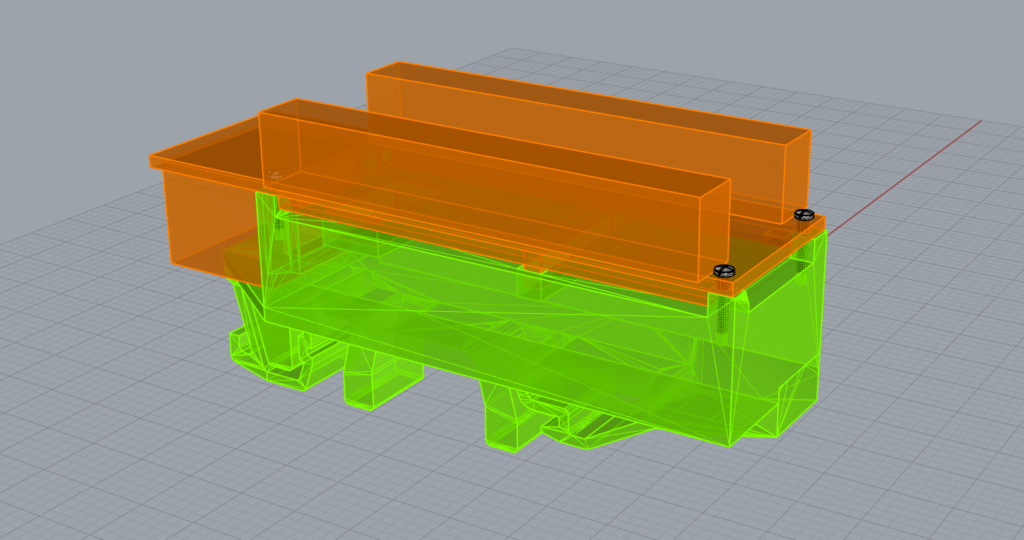
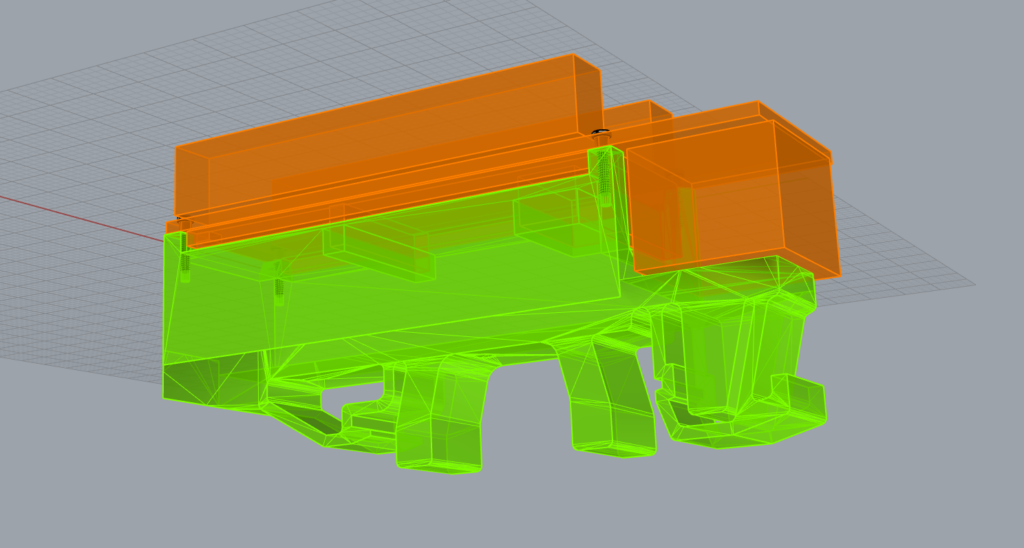
Once I validated the complete package with one unit (firmware flashing clean, MQTT telemetry live, enclosure sealed properly), I replicated the same configuration across all the remaining electronics cabinets in the environment. Every cabinet now reports air quality metrics consistently to our dashboard (See Sensor Dashboards) without requiring any ongoing physical maintenance thanks to OTA updates.
The two-piece sensor housing ended up being a design I was genuinely proud of. It solved several constraints at once (aesthetics, protection, exterior access, fast installation) while staying within tolerances that FDM printing can reliably hit. Something like this is the kind of practical engineering where physical design and embedded systems meet that I enjoy solving.